Insights > Trauma-Informed Design: Inclusive Buildings for All
Trauma-Informed Design: Inclusive Buildings for All
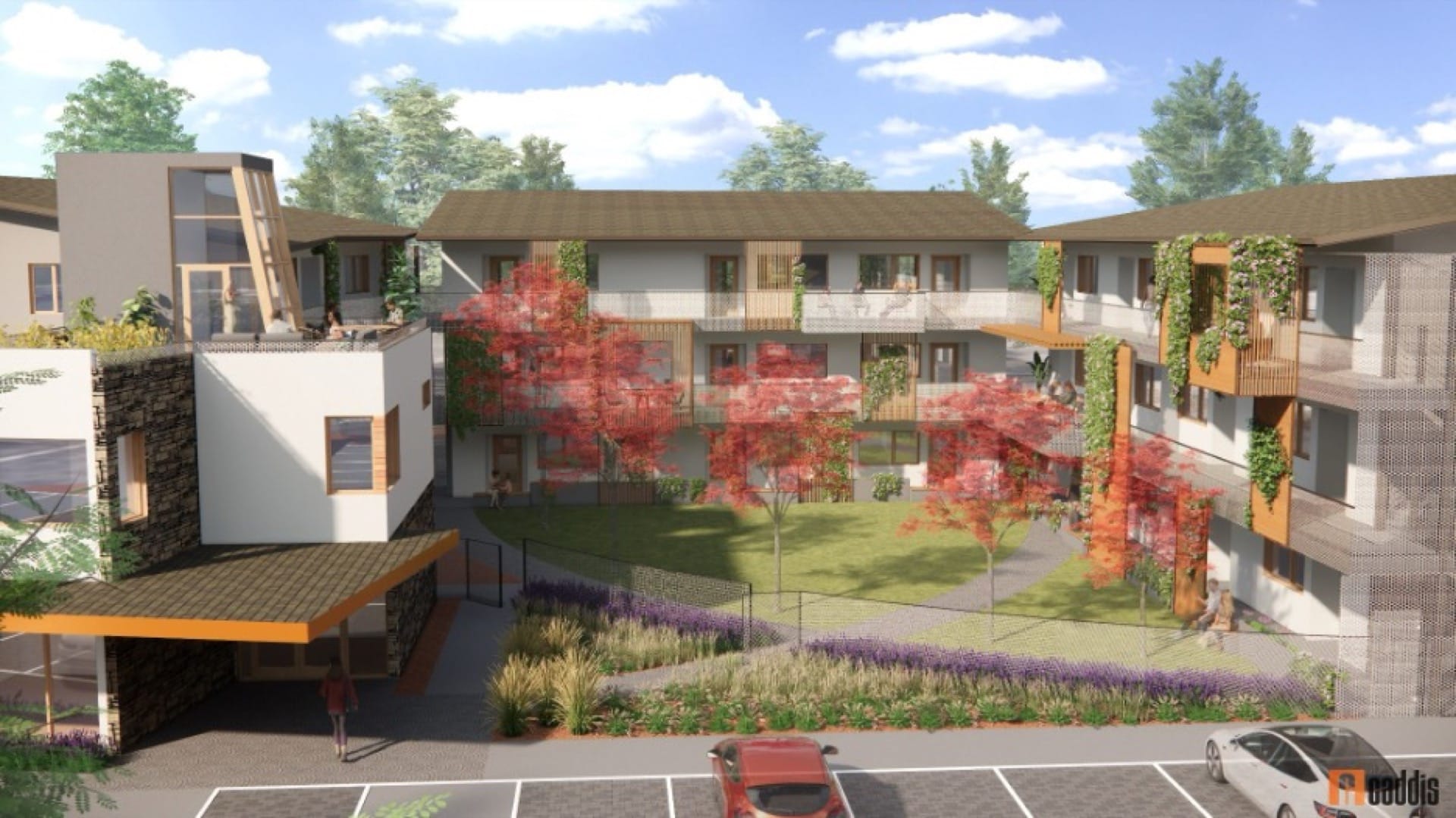
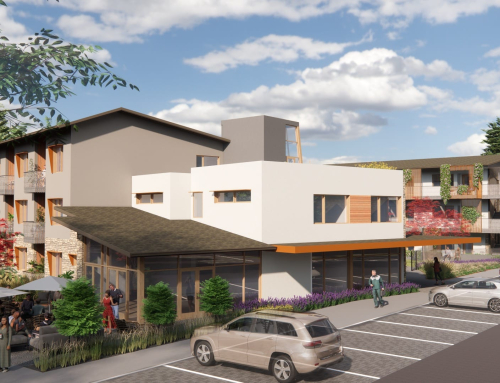
Above: Trauma-informed design principles are being employed in the design of the Broomfield Housing Alliance’s “The Grove at Cottonwood” neuro-inclusive community.
Trauma-informed health care considers an individual’s past experiences as well as current circumstances when providing care in hospitals, treatment facilities, and social services.
Architects are finding that this approach can also be applied as an aspect of universal design so that spaces designed for the broad population will also support users with past trauma. Trauma-informed design (TiD) foregrounds the needs of those who have been homeless, have been abused, are experiencing physical or intellectual disabilities, or are otherwise at risk. The goal is to create designs that promote well-being. Human health is inextricably tied to the design of the built environment, and it’s our obligation to make that impact positive.
In a movement with other design professionals around the world, Caddis Collaborative is taking the philosophy of trauma-informed design, originally focused on shelters or permanent supportive housing and expanding its use to other vulnerable populations in housing, education, and health care.
Happily, we are seeing this insight spreading across project types: cohousing, affordable housing, and medical treatment environments. Architects are beginning to design more intentionally with this awareness in order to provide a sense of physical and emotional safety to those who are vulnerable. It turns out that a design that creates safety for those at risk is design that is good for everyone. Initially, supportive housing projects were meant to house populations that had observably experienced trauma that needed to be considered. These populations include survivors of domestic violence, veterans, and people who have previously been unhoused.
Instead of treating everyone as the same, understanding the specifics of who we are allows us to make the space we design fit each person better. These adaptations are to be celebrated and made beautiful. Designing to create new experiences can be informed by understanding the residents’ past experiences.
An excellent Trauma-Informed Housing Toolkit has been published by Preservation of Affordable Housing (POAH) in Boston. The toolkit includes design principles, case studies, and Dos and Don’ts, which can be downloaded here.
TiD housing provides a feeling of safety because it includes (where appropriate) a variety of design elements such as:
- Access to community spaces that facilitate relationship-building
- Safe connection to outdoor space
- Clear sight lines – unobstructed visual connections between spaces to create a sense of comfort and support and the ability to see who or what is in a space before you enter
- Color-coding that helps people automatically know if they are in the right place – legible architecture and colors chosen for their positive impact
- Passageways that get wider as you walk toward the center of the building so people don’t feel closed in
- Windows or cutouts between bedrooms and living spaces to provide visual access to surroundings
- Access to a variety of barrier-free secure spaces that promote both autonomy and community interaction
- Use of passive security approaches when security is required
TiD housing enhances a sense of community because it includes:
- Many types of common spaces, such as libraries, rooftop patios, community kitchens, fitness areas, computer rooms, and community gardens
- Design that is oriented to a sense of safety, belonging, and community because peer support is an important part of therapy
- “Choreography” that brings residents together frequently to create a sense of belonging and community
TiD housing is therapeutic because it includes:
- Warm, welcoming finishes that mimic colors found in nature
- A lot of well-balanced daylight
- Comfortable acoustics
- Ample views of nature – large windows and window seats
- Connection to nature by bringing elements like water and plants into the building
- Open, airy spaces
- Adequate spaces and furnishings to provide services, engagement, and support with a sense of autonomy
- Finishes that promote a sense of well-being instead of being reminders of institutional environments
Our Home – Cathedral Park, an inclusive and diverse cohousing project organized by Portland, Oregon, nonprofit Our Home, Inclusive Community Collaborative, incorporates trauma-informed architectural design elements and intentionally welcomes community members with neurodiversity. Our Home – Cathedral Park is a community for individuals and families of diverse abilities, ages, and income levels. When finished, the community will include 28 universally designed condominiums with both subsidized and market-rate units. Roughly 20% of their homeowners will either experience disability or live with a family member that experiences disability.
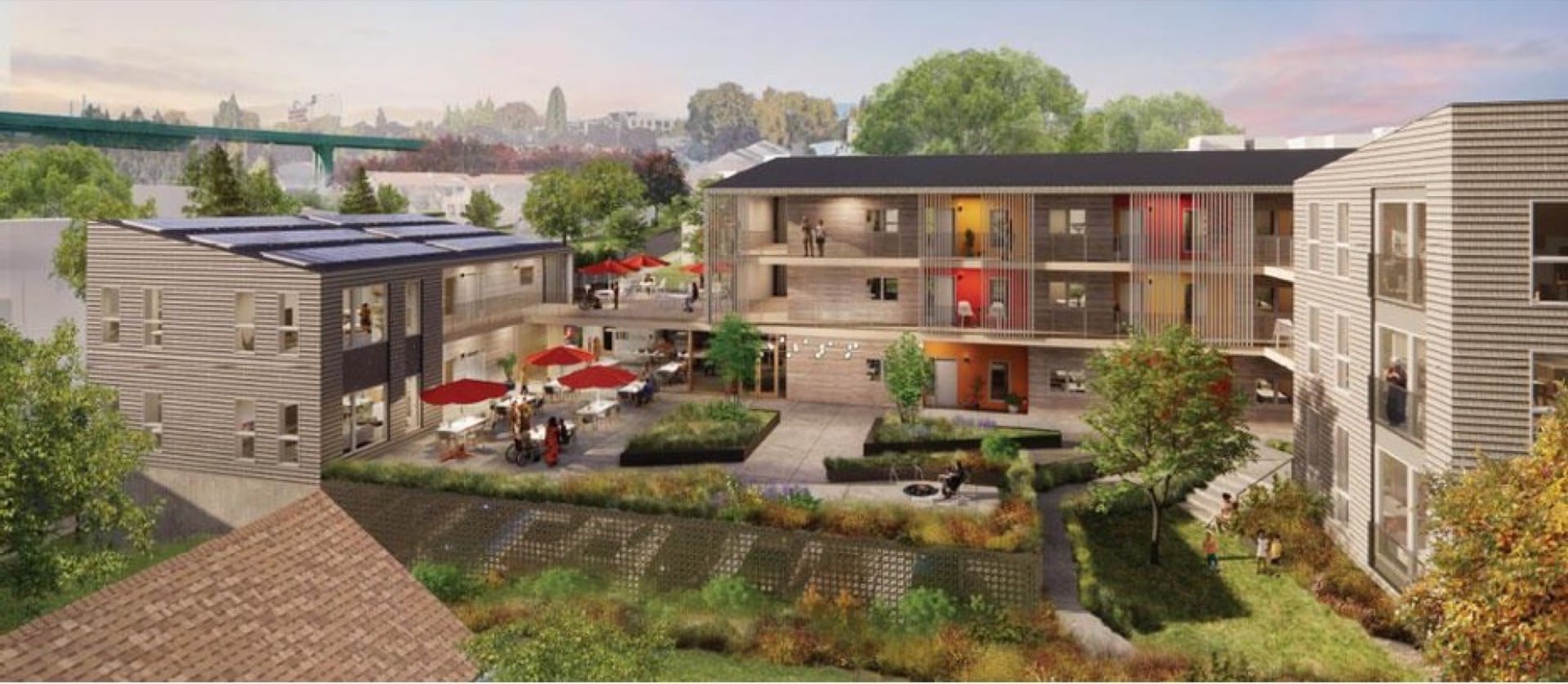
Our Home – Cathedral Park rendering
Alicia DeLashmutt of Our Home says, “Our inclusive and diverse cohousing community was fortunate to benefit from the insight of Caddis Collaborative on trauma-informed design as we were in the beginning phases of working with our design team in Portland, Oregon. Their early input helped us to have clear conversations about our community goals with our local architects, Mahlum Architects. The results are beautiful and will benefit our entire community.” Cathedral Park Cohousing is working with developer UD+P, as they strive to bring their vision into reality.
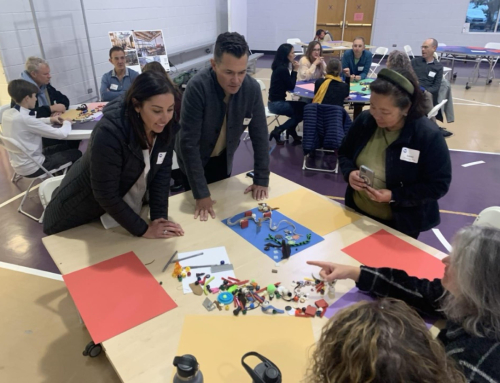
Caddis’s design for Hillside School was developed in close collaboration through participatory workshops with teachers, students, and families of kids with dyslexia. Past education experiences have left many of these students with varying degrees of trauma. Caddis’s challenge was to create an environment that softens and heals and that helps students gain the academic skills they need to become capable and confident learners.
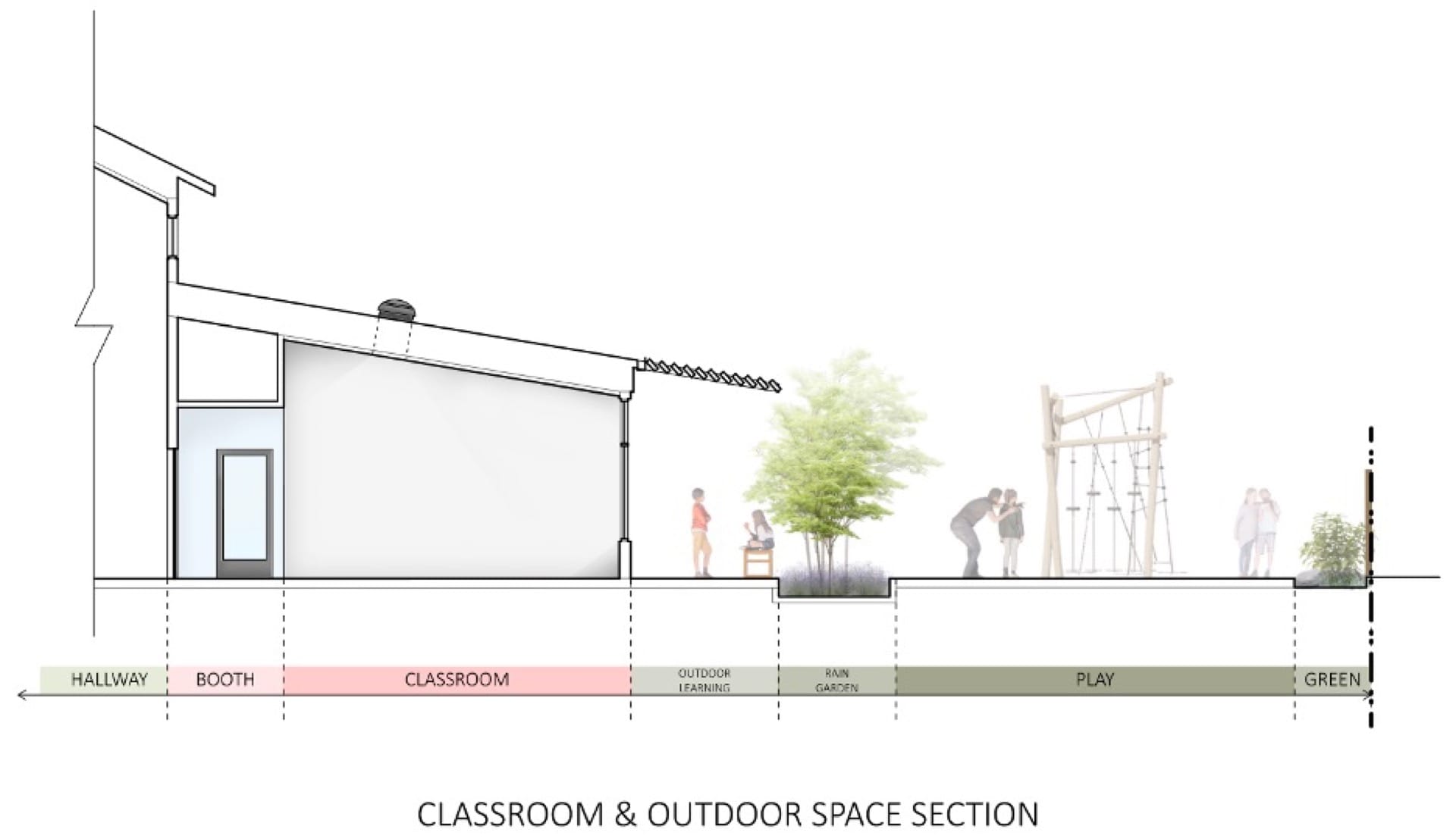
A variety of seating and teaching/working options, direct access to outdoor learning spaces, fresh and well filtered air, and natural even daylighting are all a part of the supportive small classroom spaces that Caddis designed.
Caddis is excited to join architects around the world who are incorporating TiD in their projects. A recent research study shows that our excitement is right on target: two Australian scholars found that there is a growing evidence base for TiD. Their study also underscores the link between neuroscience and architecture, a connection Caddis consulting architect Jim Kehoe explores in his work. (Read Jim’s blog post, “Neuroscience and Architecture: What Science Teaches Us about Designing Buildings for Mental Health and Well-Being.”)
With careful thought as well as compassion for and insight into the lives of those who have experienced trauma, we can create housing, schools, and public spaces that enhance well-being.
To learn more about human-centered design in general and for other populations, check out our other posts in this series:
- “Human-Centered Design: Making the Built Environment Work for Everyone”
- “Neuroscience and Architecture: What Science Teaches Us about Designing Buildings for Mental Health and Well-Being”
- “Designing for Adults with Intellectual and Developmental Disabilities”
- “Ideas at Play: How Adults Can Design for Children”
Other Relevant Insights








We’re proud to be in good company.
We love being part of the community that’s bringing good design to good people. That’s why we contribute to and participate in these organizations – so we can bring the best emerging ideas to you.
Get In Touch
Let us bring your vision to life.
A beautiful space that fits your best life. A sustainable build. A fun and easy design process. We’re with you every step of the way – from the beginning dream to the finished project!
