Now that electric vehicles (EVs) are gaining in popularity, many housing developers are adding electric vehicle supply equipment (EVSEs) so that these new vehicles can be charged. This is especially impactful when those EVSEs can support a shared vehicle.
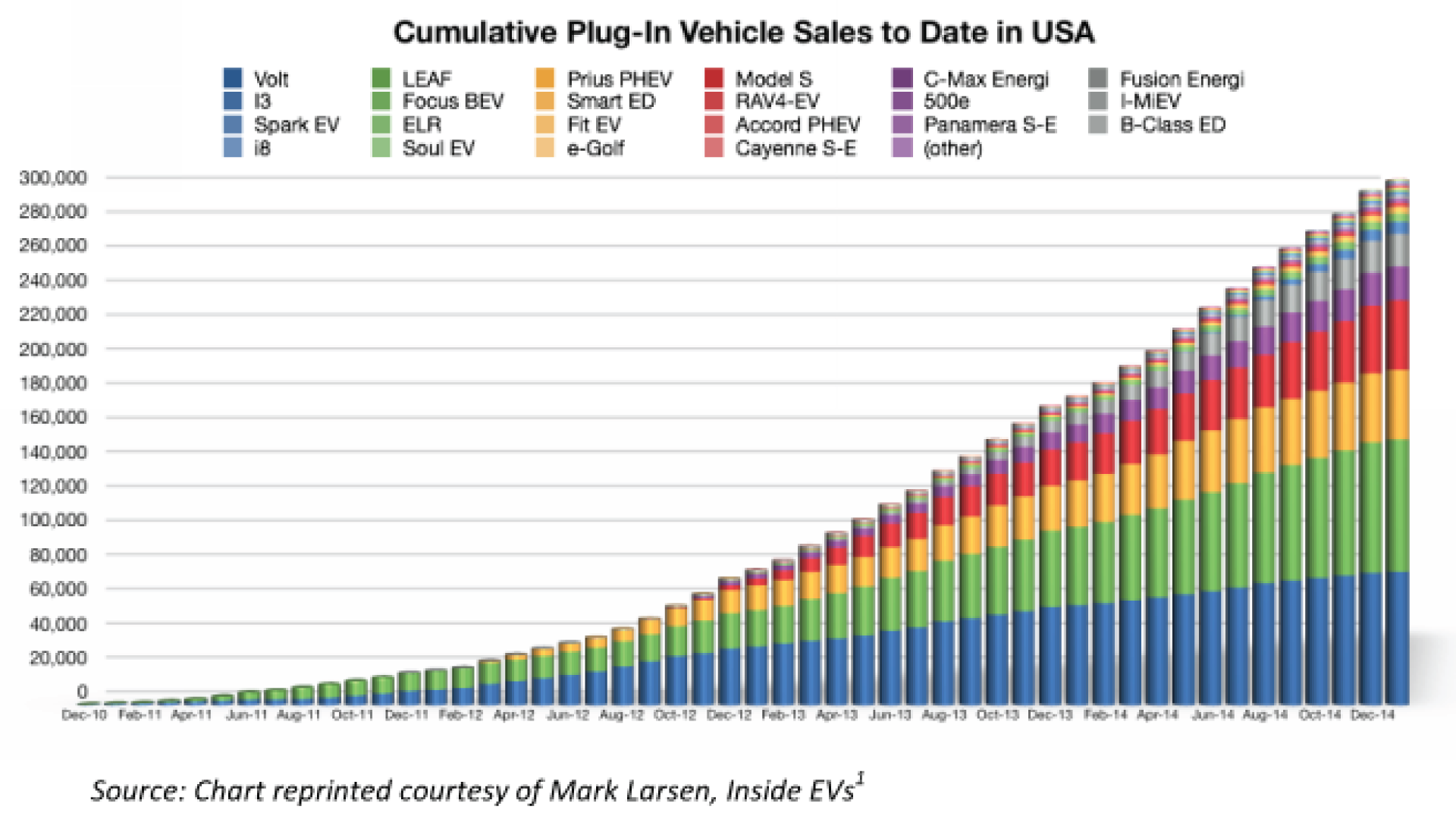
What’s often not taken into consideration, however, is future demand for EVSEs. For example, new housing projects may now have one or two households that have EVs, but that number can double or triple (or more!) if charging is available. When it comes to EVs and charging stations, it turns out that if you build it, they will come. In other words, there is a very quick uptake by residents in response to EVSEs being installed.
Caddis recommends the following guides for installing EVSEs:
- Have enough EVSEs but not too many. Every garage and carport needs to have an electric outlet in it that people can charge at 110; that is basic building code. Beyond that, each garage and carport should have a conduit from the panel that could allow for a future 220V, 40amp, Level 2 charging station. If every garage and carport gets this power, however, that might overwhelm the panel. While you want to anticipate future demand, not every household will need a charging station: you don’t want to drive up your utility costs just to add lots of redundant EVSEs.
- Think about shared coverage. If four parking stalls (either in a carport or on a surface parking lot) can share EVSEs, that can provide adequate coverage for everyone. Four parking stalls, for example, might share two EVSEs with two cords. Different households can charge overnight or during the day.
- Think about the type of parking you’re providing and adjust accordingly. If all of your parking is unassigned and there are no garages and carports, you’ll want to provide more shared EVSE stalls that people can swap through. For example, you can put an EVSE on a mast in the parking lot. A head with two cables can serve four to six stalls. That’s full coverage – now and in the future.
- Move toward solar-powered EVSEs. In the near term, your housing project may need to charge its EVs off the grid. But housing developers should be thinking about incorporating solar-powered EVSEs as soon as possible. What an amazing concept: harnessing the power of the sun to drive around town! And when supplied by an on-site photovoltaic system, the cost of ownership of an EV is incredibly low, and the vehicle’s greenhouse gas emissions go way down.
- Understand your state and local landscape. Many municipalities, states, and even the federal government offer grants or subsidies for EVs, EVSEs, and photovoltaic systems. Make sure you learn about all the opportunities available to you – and understand their rules and regulations.
Design now for the future you want to see – and as you do so, keep in mind the needs of increasing numbers of EV owners.
Above: Cumulative Plug-In Vehicle Sales to Date in USA.
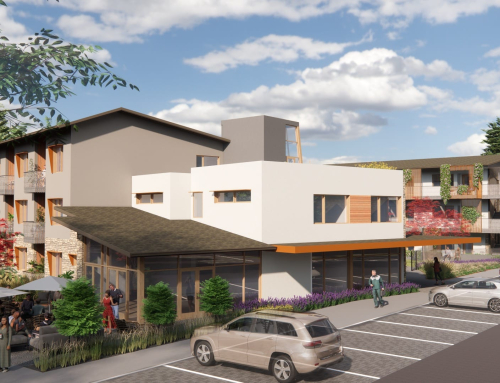
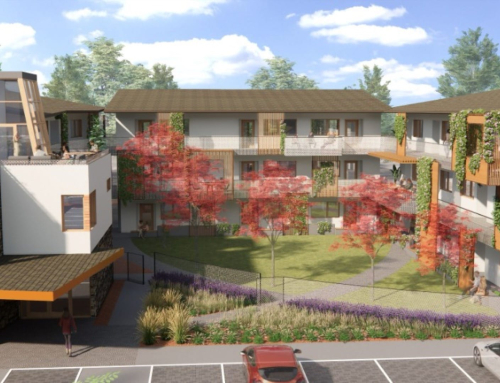
Above: Cohousing Houston – Designing for more EV’s